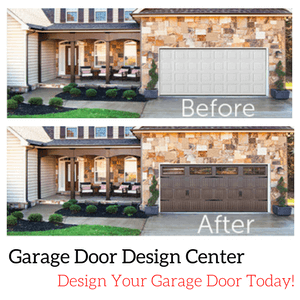
The garage door is one of the first things anyone sees when they pull up to your house. On most homes it covers 30 to 40 percent of the front facade - more visible square footage than the front door, the porch, or the windows combined. Getting it right makes a genuine difference in how the house looks. Getting it wrong is hard to ignore. Here is how to think through the choice.
Why the Garage Door Has Such a Large Impact on Curb Appeal
Real estate studies consistently show that a new garage door delivers one of the highest returns of any home improvement project - typically between 85 and 100 percent of the installation cost recovered at resale. The visual reason is simple: the garage door occupies a disproportionate share of a home’s street-facing surface. A dated, dented, or mismatched door pulls the whole exterior down. A door that complements the architecture ties the facade together in a way that a fresh coat of paint on the front door cannot fully achieve on its own.
Matching Door Style to Your Home’s Architecture
The style of the door should follow the architectural language of the house. A few general rules:
- Traditional and craftsman homes suit raised-panel steel doors or carriage-house designs with horizontal hardware straps. The visual weight of the panels mirrors the trim detail typical in these styles.
- Ranch and mid-century homes can work well with flush or low-relief panel doors that do not compete with simple, horizontal lines. Contemporary aluminum-and-glass doors can also complement mid-century exteriors effectively.
- Colonial and brick homes typically pair well with raised-panel or recessed-panel doors in white or almond that echo the traditional formality of the architecture.
- Modern and contemporary homes are a natural fit for full-view aluminum doors with glass panels, or flush steel doors with a clean, minimal profile.
Panel Design: Raised, Recessed, and Flush
Within any door style, the panel configuration affects the visual character significantly:
- Raised panels have the most traditional look and cast shadow lines that add depth. They are the most common choice and work with the widest range of homes.
- Recessed panels give a slightly more refined, less bulky appearance. Common on carriage-house-style doors.
- Flush panels with no relief have a modern, clean look that reads as contemporary or transitional depending on material and color.
Windows: When to Add Them and When to Skip Them
Windows add natural light to the garage interior and can contribute significantly to the door’s visual appeal, but they are not right for every situation. Consider:
- Windows raise the door’s price and slightly reduce its insulation value
- On a two-car door, a row of windows across the top section looks balanced and architectural
- On a single-car door, windows can feel asymmetrical unless the design is carefully chosen
- Frosted or decorative glass maintains light while reducing visibility into the garage
- If privacy or security is a concern, skip windows entirely - a well-designed panel door looks complete without them
Color: Match, Complement, or Contrast
The most common approach is to match the garage door color to the trim color of the house. This is safe and almost always works. For bolder choices:
- Match the body color on contemporary homes with large expanses of a single color - this creates a unified, modern look
- Contrast with the trim using a deeper or darker version of the body color - works well on craftsman and farmhouse styles
- Black doors have become widely popular across home styles because they read as intentional and anchor the facade without competing with other colors
One principle to avoid: selecting a door color that does not appear anywhere else on the exterior. Without something to echo or contrast against, an isolated color tends to look out of place rather than distinctive.
Material Choices and What They Look Like
The material affects not just durability and maintenance but the visual quality of the door:
- Steel is the most versatile - it can replicate wood grain texture convincingly, holds paint well, and is available in virtually any style
- Aluminum with glass panels is the standard choice for full-view contemporary doors; it is lighter than steel and naturally resistant to rust
- Real wood has a warmth and character that manufactured materials do not fully replicate, but requires regular finishing and maintenance to hold up in Oklahoma’s weather cycles
- Composite wood-look materials give the visual warmth of wood with significantly less maintenance burden
Getting the Proportions Right
Even a well-chosen style can look off if the proportions are wrong. On two-car doors, the horizontal section lines should be spaced in a way that looks intentional relative to the door height. On homes with low rooflines, a door with many short, horizontal sections can feel compressed - fewer, taller panels often look better. If you are replacing a door on an older home, it is worth having a professional assess whether the rough opening size and header height give you good options before committing to a style.
Ready to Choose?
Discount Garage Door carries residential garage doors across the full range of styles, materials, and price points. We can help you find the right fit for your home’s architecture and your budget - and installation throughout Tulsa and Oklahoma City is handled by our own technicians, not subcontractors.
Get a free quote online or call your nearest location:
- Tulsa: 918-234-3667
- Oklahoma City: 405-525-3667
- Edmond: 405-348-2000
- South OKC: 405-848-6700
Related: Residential Garage Doors | Garage Door Sizes 101 | Knowing When to Replace Your Garage Door